

The Power of the Mascot
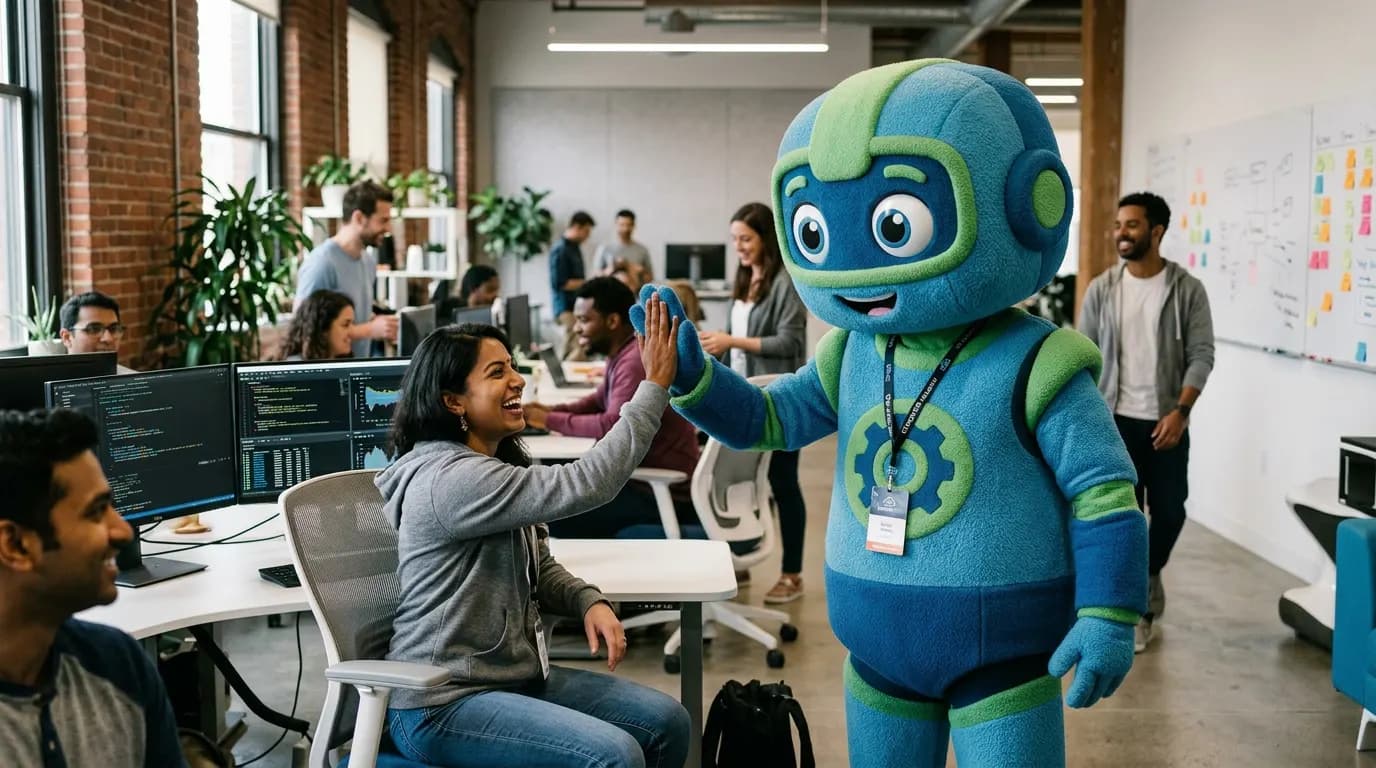
A mascot is a character that can make a brand feel more friendly and relatable.
Brihat Team
Posted on Apr 02, 2026
The Power of the Mascot: Using Character Design to Humanise Technical Brands and Increase User Retention
In a world of cold interfaces and abstract features, a well-designed character might be the most underrated tool in a technical brand's arsenal.
Introduction
We live in an era where technology evolves faster than the emotional connections it creates. For technical brands—SaaS platforms, developer tools, enterprise systems—the gap between what a product does and how it makes people feel has never been wider.
A thoughtfully designed mascot can bridge that gap.
This isn’t about nostalgia or decoration. Brands that humanise themselves through character design consistently see improvements in user recognition, emotional engagement, and long-term retention.
Why Technical Brands Struggle to Connect
Technical products are built to solve problems, not to build relationships. Their interfaces are functional, their language is precise, and their messaging is often abstract.
Users may fully understand a product—and still feel nothing toward it.
That emotional disconnect has a cost. Without connection, users have no loyalty—only utility. The moment a better utility appears, they switch.
A mascot gives users something to feel about a brand—beyond features and pricing.
People don’t remember specs. They remember faces, voices, and characters that made them feel something.
What a Well-Designed Mascot Actually Does
A mascot is not just a logo with eyes. It performs multiple roles:
- Externalises personality—making abstract values like trust or friendliness visible
- Reduces intimidation for new users
- Acts as a consistent emotional anchor across touchpoints
When done right, users don’t consciously notice it—they simply feel more comfortable.
A mascot must match the user’s emotional context. Used at the wrong moment, it becomes intrusive.
How Mascots Drive User Retention
Retention is where mascots prove their real value.
Users who feel emotionally connected are:
- Less price-sensitive
- More forgiving of errors
- More likely to explore features
- More likely to recommend the product
A mascot builds this through small, repeated interactions:
- Greeting users during onboarding
- Softening frustration during errors
- Celebrating achievements
Individually, these moments are small. Together, they shape perception.
A mascot can shift a product from being just a tool to feeling like a companion.
The brands users stick with aren’t always the most powerful—they’re the ones that made users feel at home first.
Designing the Mascot Right
Not all mascots succeed. Poorly designed ones can feel distracting or childish.
Do
- Maintain a consistent personality
- Use the mascot to guide, not interrupt
- Build a narrative around the character
Don’t
- Use it to mask poor UX
- Design based on internal preferences
- Force it into every interaction
A mascot should enhance the experience—not dominate it.
The Sentiment Evidence
There’s a misconception that mascots only work in consumer products. Data suggests otherwise.
- Higher emotional engagement
- Better onboarding completion
- Increased feature discovery
- Higher NPS scores
Even when product quality remains constant, mascots act as a multiplier.
Conclusion
For years, technology brands have competed on features and performance.
The next frontier is emotional resonance.
Users stay with brands they feel connected to.
A mascot—when done right—is not decorative. It’s strategic.
It helps you:
- Make your brand more human
- Build familiarity
- Create emotional memory
When reviewing your product, ask:
“Is this usable?”
“Does this feel human?”
Because sometimes, the difference between a product people use and one they love is a character.