
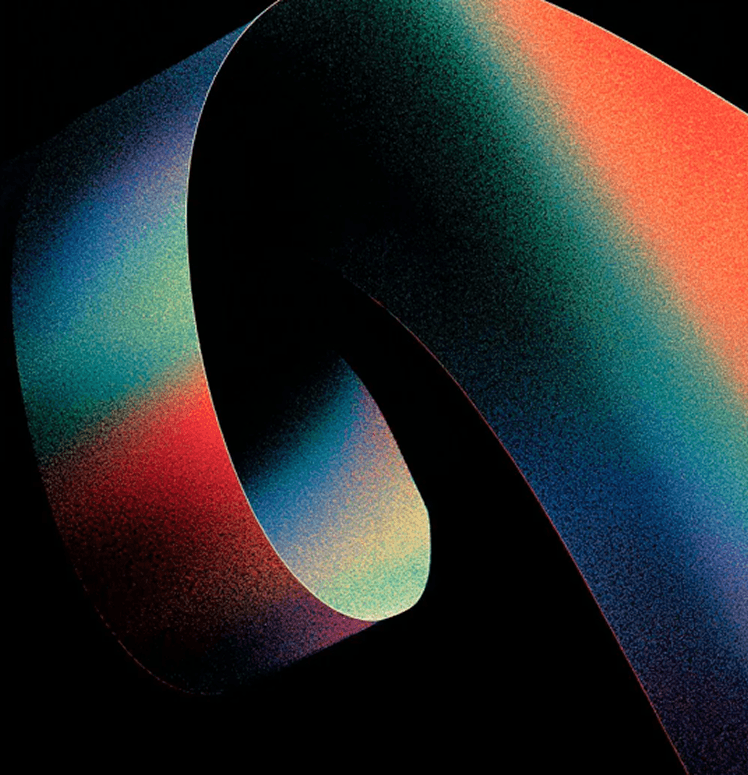
Post-Minimalism: Is the era of "flat and white" design ending?
Is the era of "flat and white" design ending?
Brihat Team
Posted on Apr 03, 2026
Post-Minimalism: Is the Era of White Design Ending?
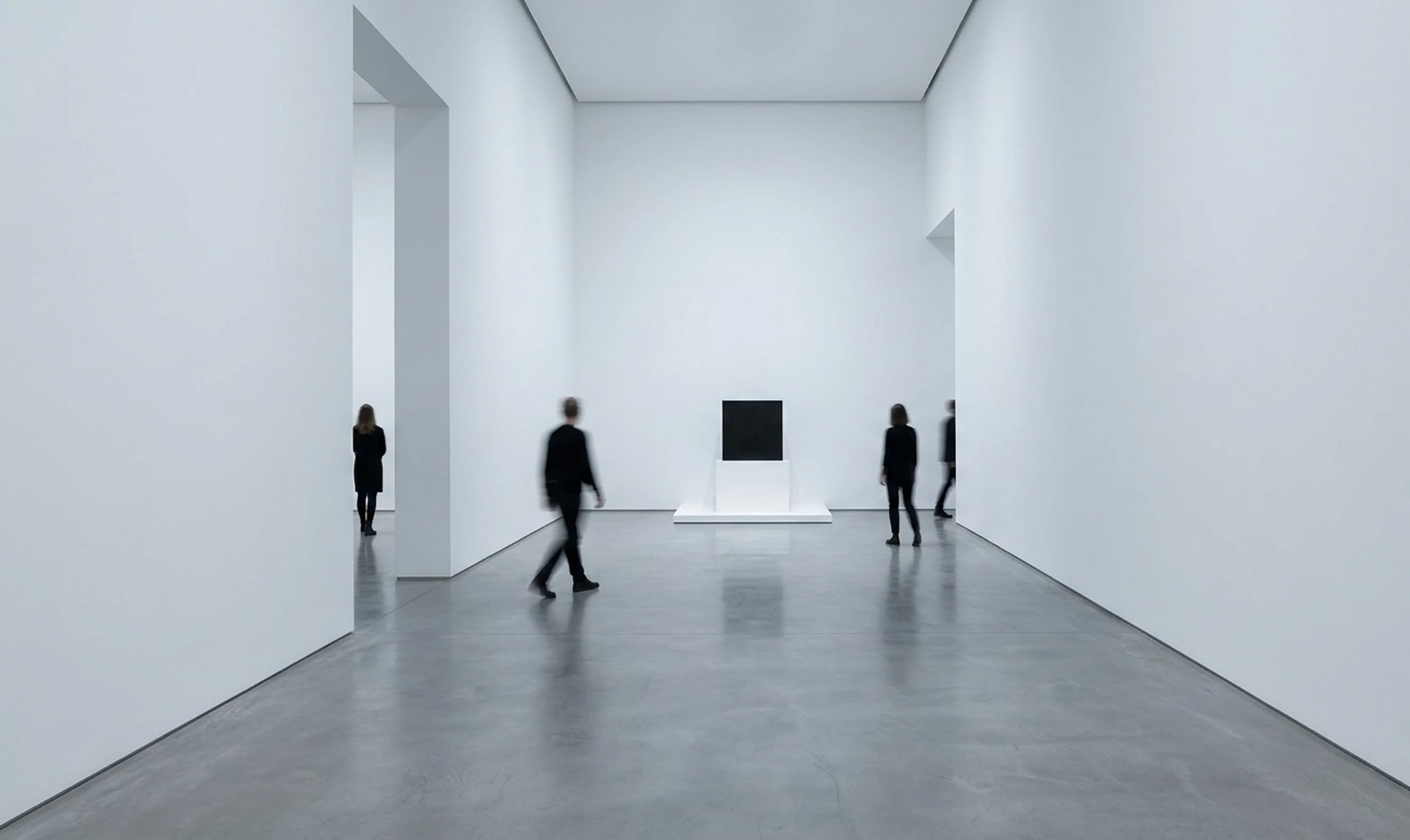
Flat. White. Silent.
For over a decade, minimalism dominated design. Clean grids, neutral palettes, and restrained typography became the universal language of brands. It was efficient. It was scalable. It was safe.
But it also made everything start to look the same.
Now, a shift is happening.
Loud. Textured. Alive.
Design is rediscovering expression.
The Shift: From Less to Meaningful More
Minimalism was never wrong—it solved real problems. It brought clarity to cluttered interfaces and created systems that scaled across platforms.
But in the pursuit of simplicity, something was lost:
- Personality
- Texture
- Emotional depth
Post-minimalism doesn’t reject minimalism—it evolves it.
It asks a new question:
What if clarity and character could coexist?
Flat Minimalism vs Post-Minimalism
The difference is not just visual—it’s philosophical.
View Comparison
Flat Minimalism:
- Neutral color palettes
- Sans-serif typography
- Grid-based layouts
- Function over expression
- Clean, but often indistinguishable
Post-Minimalism:
- Rich textures and gradients
- Expressive typography
- Layered visual systems
- Emotion alongside function
- Distinct and memorable
Four Signals of the Shift
1. Return of Texture
Grain, noise, halftones, and paper-like surfaces are making a comeback. Screens are no longer trying to feel digital—they’re trying to feel real.
What was once considered “imperfection” is now a mark of craft.
2. Radical Personalisation
Minimalism led to sameness. Every brand started to look like every other brand.
Post-minimalism pushes back.
- Unique typography
- Distinct colour systems
- Strong visual voices
Being recognisable matters more than being safe.
3. Honest Materiality
Design is reflecting real-world values—especially sustainability and transparency.
Rough edges, visible processes, and natural palettes signal authenticity.
Perfection is no longer trusted. Human is.
4. Emotional Design
Design is no longer just about usability.
It’s about feeling.
Bold colours, layered compositions, and narrative visuals create emotional impact—not just information.
A Brief Timeline of Design Evolution
Explore Timeline
Skeuomorphism (1990s – 2012)
Digital interfaces mimicked real-world objects—rich, tactile, expressive.
Flat Minimalism (2012 – 2023)
Stripped-down design focused on clarity and function.
Post-Minimalism (2024 – Present)
A balance between clarity and expression. Design becomes human again.
The New Texture Vocabulary
- Film Grain → warmth, authenticity
- Gradient Meshes → depth
- Halftone Patterns → editorial feel
- Risograph Effects → imperfect print style
- Paper Textures → physical feel
- Brushstrokes → human touch
- Woven Patterns → craft
- Patina → age and realism
These are not decorative—they are emotional signals.
Colour is No Longer Neutral
In minimalism, colour was reduced.
In post-minimalism, colour speaks.
- Rust → warmth
- Mustard → optimism
- Sage → calm
- Cobalt → depth
- Ink → clarity
- Chalk → softness
Colour is identity.
The Core Shift in Thinking
- Neutral → Expressive
- Safe → Distinctive
- Perfect → Human
- Function → Function + Feeling
Why This Matters
In a world where everything looks the same, differentiation becomes survival.
Minimalism made things usable.
Post-minimalism makes them memorable.
Conclusion
The blank canvas had its moment.
But the future of design isn’t empty.
It’s intentional. Expressive. Human.